The group home has a contractual relationship with the Integrated University Health and Social Services Center of West Montreal, which is located in the western part of the Island of Montreal. It covers four boroughs of the City of Montreal (Lachine, Île-Bizard-Sainte-Geneviève, LaSalle, and Pierrefonds-Roxboro) and eight surrounding towns (Baie-D’Urfé, Beaconsfield, Senneville, Dollard-des-Ormeaux, Sainte-Anne-de-Bellevue, Kirkland, Pointe-Claire, and Dorval), representing 38% of the territory of Montreal
Batshaw Youth and Family Centres, part of the CIUSSS West-Central Montreal, provide psychosocial, rehabilitation, and social integration services primarily under the Youth Protection Act (YPA), the Youth Criminal Justice Act (YCJA), and the Act Respecting Health Services and Social Services. They also deliver services related to child placement, adoption, biological family background searches, expert assessments for the Superior Court, and family mediation. Batshaw Centres serve residents of the Island of Montreal who wish to receive services in English, as well as the Jewish community in either English or French. In addition, they provide residential rehabilitation services to English-speaking clients from other regions of Quebec through specialized service agreements.
Ages 14 to 18, with the possibility of extending services until age 20 to allow completion of Secondary V (Grade 11).

Characteristics of the Youth We Serve
To live successfully within their community, these young people—who face psychosocial and behavioural challenges—require placement in a specialized residential setting tailored to their individual needs. They also benefit from rehabilitative support designed to help them achieve their personal goals and prepare for a successful transition to the most independent and community-based living environment possible.
The intermediate resource can accommodate up to nine (9) adolescents and young adults who meet the following profile:
- Male and female adolescents living on the Island of Montreal, or from elsewhere in Quebec who require English-language services.
- May present with behavioural challenges (e.g., difficulty controlling impulsive behaviour) and/or Attention-Deficit/Hyperactivity Disorder (ADHD).
- May present with mental health conditions and other psychological disorders.
- Require continuous 24/7 care, including all services provided within an intermediate resource, such as residential accommodation, support, and assistance.
- Require specialized professional supervision and support services.
- Require enhanced clinical or medical follow-up involving specialized clinical expertise and close ongoing supervision.
- Are subject to residential placement under the Youth Protection Act (YPA), either through voluntary or court-ordered measures, under the Youth Criminal Justice Act (YCJA) through an open custody order, or under the Act Respecting Health Services and Social Services (CQLR, c. S-4.2).
Frequently Asked Questions
Find answers to your frequently asked questions.
What is a youth intermediate resource?
Who do you serve?
Our resources welcome children and adolescents referred by **Santé Québec** whose needs align with our mission and expertise. Each residence is designed for a specific age group to provide care and support tailored to the unique needs of the young people who live there.
How is a young person admitted?
What is a youth intermediate resource like?
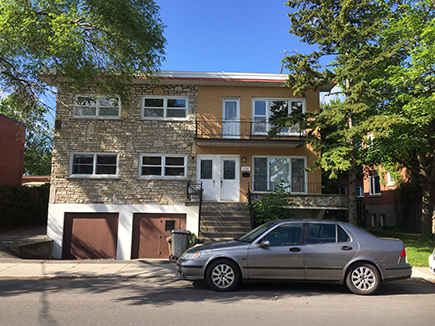
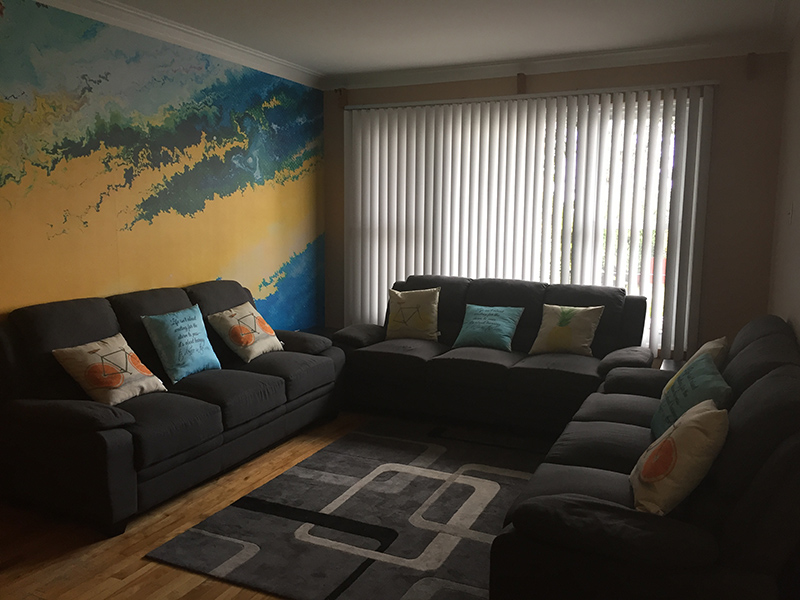
Our residences are designed to provide a true home environment rather than an institutional setting. Young people live in a warm, welcoming house where they share meals, take part in daily life, celebrate important milestones, and build a sense of stability and security. Our goal is to make them feel at home in a caring, supportive, and family-like environment.
Who supports the young people on a daily basis?
Our teams are made up of qualified professionals who provide consistent daily support to the young people in our care. They help foster independence, support learning and personal development, and ensure each young person’s physical and emotional well-being.
What is your approach to care and support?
Our approach is person-centered, grounded in respect, and focused on building on each young person’s strengths while providing a stable, safe, and supportive living environment. We offer individualized care that takes into account each person’s background, needs, and pace of development.
Do the young people attend school?
Yes. Continuing their education is a priority. We work closely with schools, families, and other professionals to support each young person’s academic success.
Do families remain involved?
When it is in the young person’s best interest and in accordance with the intervention plan established by Santé Québec, we work closely with parents, family members, and other partners to support their development.
Can young people receive visitors?
Visitor policies vary depending on the residence, the young person’s age, their individual needs, and the goals outlined in their intervention plan.
In some of our residences, visits are supervised to help maintain a stable, safe, and reassuring environment for all residents. In others, such as our supervised apartments, visits are permitted under specific guidelines and with an approved visitor list established in collaboration with **Santé Québec**.
Our priority is to balance the importance of maintaining meaningful relationships with the need to ensure a safe, respectful, and supportive living environment for everyone.
Do young people participate in activities?
Yes. We offer a variety of educational, recreational, cultural, and sports activities tailored to each young person’s age, interests, and needs. These activities help develop social skills, independence, and self-confidence.
Who provides services to the young people?
Daily support is provided by our team of dedicated professionals, who are present 24 hours a day, 7 days a week.
Specialized professional services—including social work, psychoeducation, psychology, occupational therapy, speech-language pathology, and other clinical services—are provided by Santé Québec or its designated partners, based on each young person’s individual needs.
This collaborative approach ensures consistent, coordinated, and personalized support for every child and adolescent in our care.
How do you work with Santé Québec professionals?
Collaboration is at the heart of our approach. We work closely with Santé Québec professionals, schools, healthcare providers, and families to ensure consistent, coordinated, and individualized support for every young person.
How long does a young person stay in your residence?
The length of stay varies depending on the young person’s needs and the goals established by Santé Québec. Each situation is unique and is regularly reviewed to ensure the most appropriate living environment is provided as the young person’s needs evolve.
Can a residence be visited before admission?
To preserve the family-like environment of our residences and respect the privacy of the young people who live there, visits are generally offered only after Santé Québec has confirmed a placement with our resource.
However, our team is always available to answer your questions and provide information about our approach and the various residences we operate.
What sets your organization apart?
Since 1997, we have built a recognized expertise in supporting children and adolescents. Our priority is to provide a true home environment where every young person is welcomed with compassion, respect, and dignity. We believe that meaningful relationships, a stable living environment, and individualized support empower each young person to reach their full potential and move forward with confidence.
Person in Charge
Justin Martinovitch
Justin Martinovitch is the youngest son of the organization’s owners. He holds a Master’s degree in Psychoeducation and is a member of the Ordre des psychoéducateurs et psychoéducatrices du Québec (OPPQ). He also earned a Bachelor’s degree in Psychoeducation, a Certificate in Criminology, and is currently working toward obtaining his psychotherapist’s licence.
Learn More
His passion for helping others has grown through a wide range of professional experiences and community involvement with diverse populations. He spent four years working as an educator in a group home specializing in attachment disorders for the Montreal Youth Centre. As part of his university training, he also completed two years of clinical internships and has worked for the past two years in a multidisciplinary private psychology clinic.
Through his education and professional experience, he has developed expertise in supporting children and adolescents under the care of the Director of Youth Protection (DYP) who present a variety of adjustment difficulties, including attachment disorders, post-traumatic stress disorder (PTSD), attention-deficit/hyperactivity disorder (ADHD), behavioural disorders, oppositional defiant disorder (ODD), and anxiety disorders.
Believing that emotional wounds are formed through relationships, Justin is equally convinced that they can be healed through caring and meaningful human connections. Guided by this philosophy, he adopts an integrative approach that combines systemic, cognitive-behavioural, and neuropsychological perspectives, with a strong humanistic foundation. This approach is reflected both in the relationships he builds with young people and in his collaborative work with educational teams and community partners.
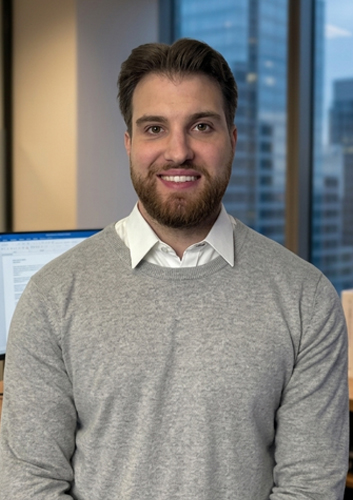

Josianne Bossy
Educator
An educator with training as a social work technician and more than 18 years of experience. “What truly inspires me in my work is supporting young people as they discover their identity through my authentic presence, and seeing how this journey enriches their lives while helping me refine my counseling skills day by day.”
